Olive tree pruning is one of the fundamental tasks from the point of view of oil quality.
KEY FACT
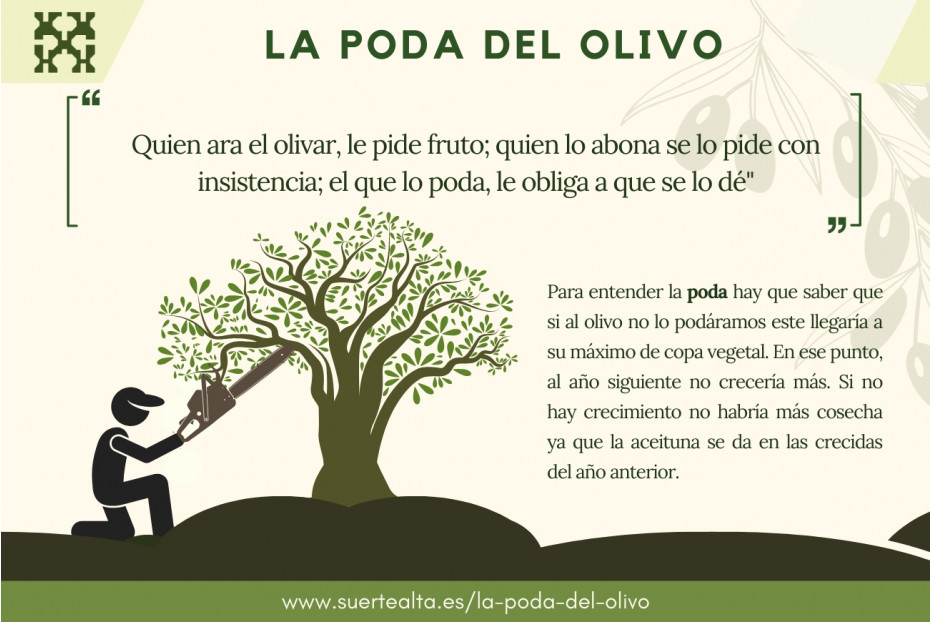
Maintenance pruning removes around 20% of the olive tree’s plant mass each year to ensure its growth and production.
If it were not pruned, the olive tree would reach its maximum canopy size and, the following year, would stop growing; without growth there is no harvest, as olives grow on the new branches from the previous year.
How maintenance pruning works
Pruning around 20% of the plant mass allows the tree to grow again that spring and bear fruit the following year. Excessive pruning, on the other hand, causes the tree to divert all its strength to recovering plant mass, without producing flowers or olives. Good maintenance pruning eliminates dry or damaged parts, removes “suckers” (unproductive vertical branches that steal sap), and aerates and increases sun exposure to the tree inside and out, which reduces fungi and diseases.
Renewal pruning
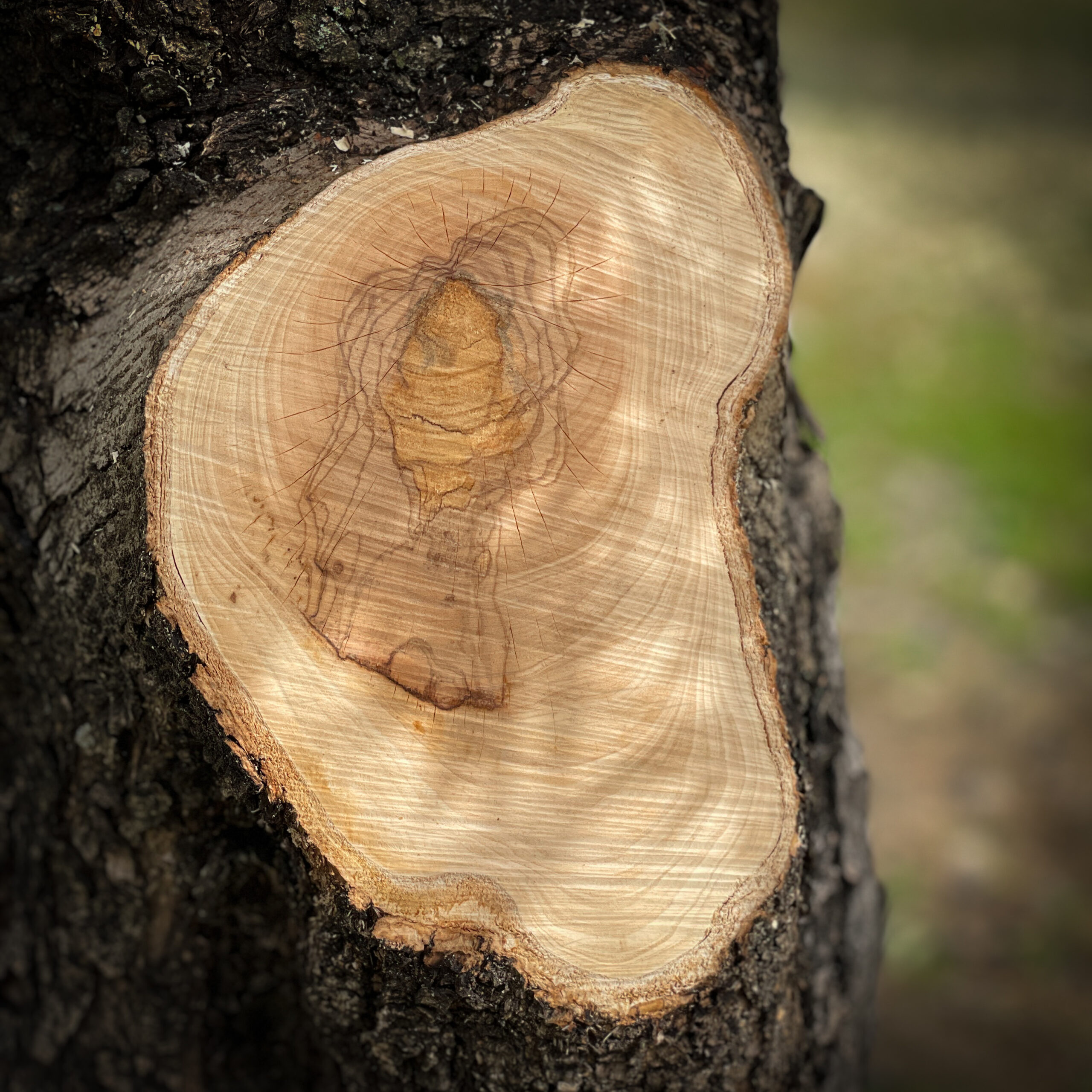
When branches age (the trunk, however, never “ages”), renewal pruning is planned over several years, cutting different branches each year to allow time for the new ones to enter production. Thus, ancient olive trees continue to produce thanks to well-pruned young branches.
Utilization of pruning wood
The thickest logs are used for heating and fireplaces; the thinner branches are chipped and incorporated into the ground as organic matter.
Frequently asked questions about olive tree pruning
Because without pruning it would stop growing and, therefore, stop bearing fruit the following year.
Around 20%.
The tree diverts its energy to recovering plant mass instead of producing flowers and olives.
Cutting different branches each year over several seasons to renew the tree without a sudden loss of production.