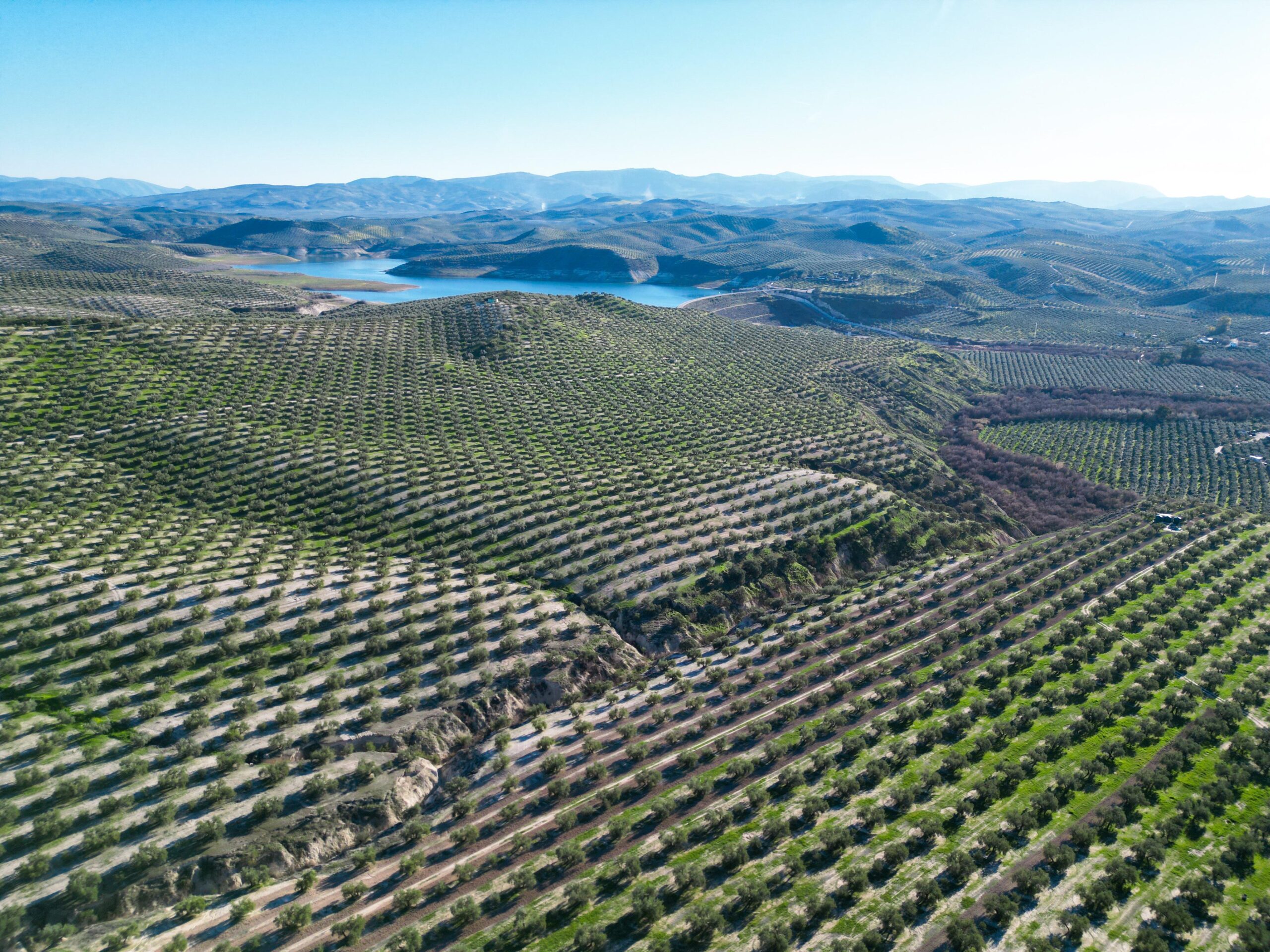
The Guadajoz River, or the Bread River, known by the Romans as ‘flumen salsum’ due to the high salt content of its waters, flows between Córdoba and Jaén, through olive groves and cereal fields.
Until the last decade of the 20th century, the Guadajoz River was not regulated by dams, so no non-native fish species (from other ecosystems) were found. After the construction of the Vadomojón reservoir, non-native species such as carp or black bass were introduced, although native species like boga, gypsy barbel, or the native pond turtle still predominate today.
KEY FACT
Until the last decade of the 20th century, the Guadajoz River was not regulated by dams, so no non-native fish species (from other ecosystems) were found. After the construction of the Vadomojón reservoir, non-native species such as carp or black bass were introduced, although native species like boga, gypsy barbel, or the native pond turtle still predominate today.
Frequently Asked Questions about the Guadajoz River
Between the provinces of Córdoba and Jaén, crossing areas of olive groves and cereal fields, and serving as a boundary for Cortijo de Suerte Alta.
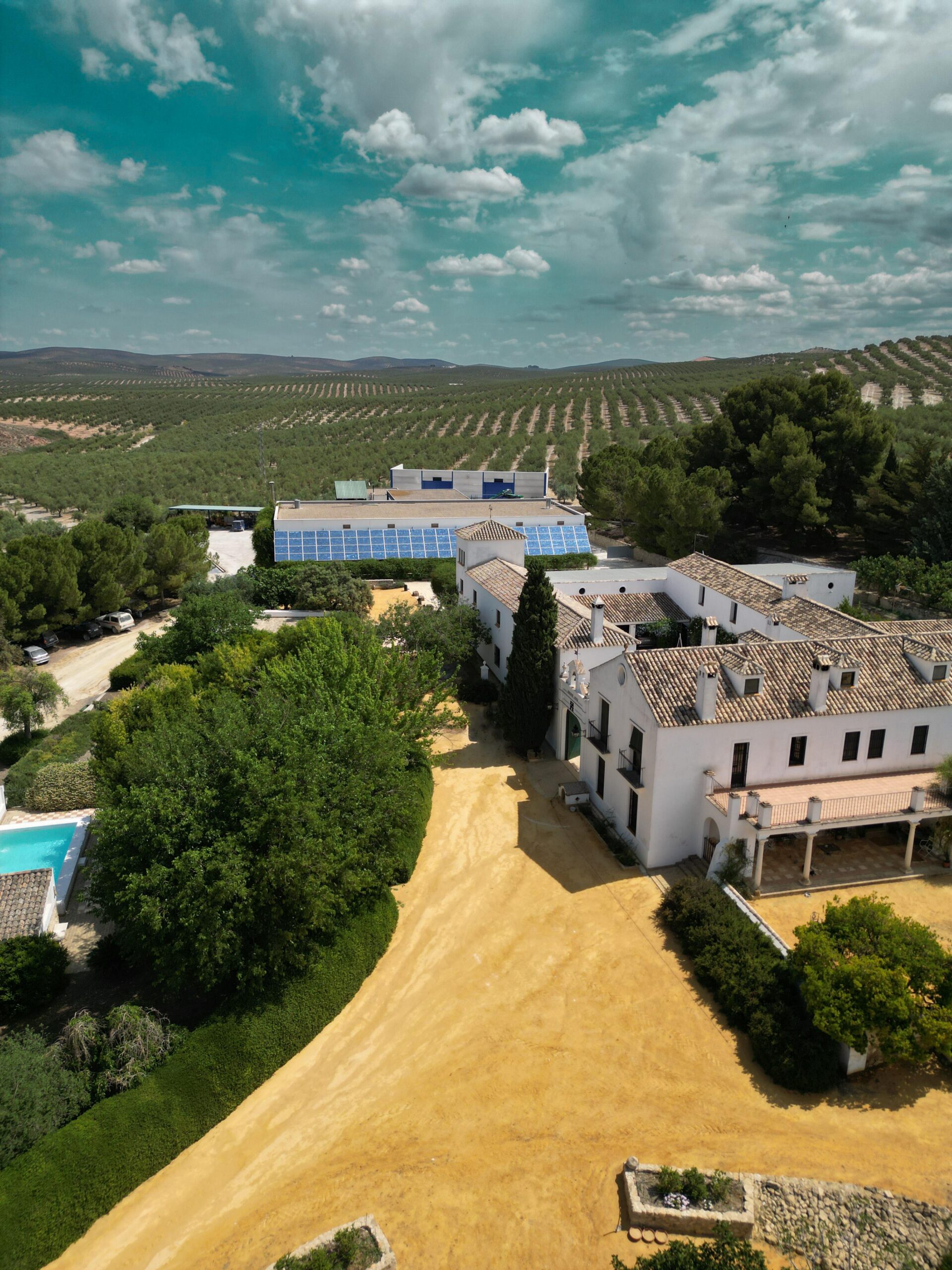
The Cortijo is supplied by the Vadomojón reservoir, near Baena, to irrigate its olive groves.
Native species such as boga, gypsy barbel, and the native pond turtle predominate, although non-native species like carp or black bass were also introduced after the construction of the reservoir.
“Flumen salsum”, due to the high salt content of its waters.